Tour the Apartment Like a Botanist: A Renter's Guide to Spotting Plant-Friendly Leases in Albany
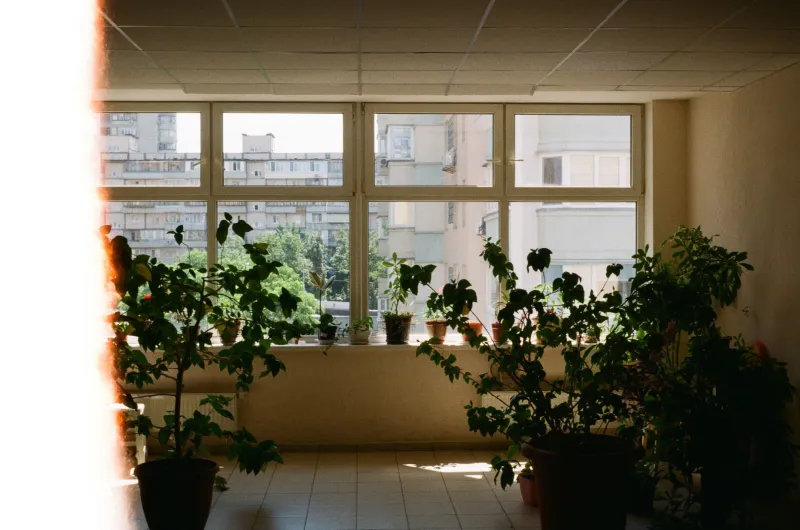
Here's a scene that plays out in Albany every August: a renter falls in love with a pre-war one-bedroom near Washington Park, signs the lease, moves in with a carload of pothos and fiddle-leaf figs, and by November watches those plants slowly surrender to a north-facing window and a radiator that turns the whole room into a desert.
We've heard this story more times than we can count. The truth is, most apartment tours are designed to evaluate a rental for humans — but if you're a plant person, you're not just renting an apartment. You're renting a microclimate. And some microclimates are far better than others.
Read the Windows Before You Read the Lease
Light is the single biggest factor in whether your greenery thrives or merely survives, and window orientation tells you almost everything. In the northern hemisphere, south-facing windows get the most consistent light throughout the day — they're the gold standard for light-hungry plants like jade, string of pearls, and most flowering varieties. East-facing windows give you gentle morning sun, perfect for calatheas, ferns, and anything that scorches easily. West-facing gets hot afternoon blasts. North-facing gets soft, indirect light year-round — workable, but only for low-light champions like pothos, snake plants, and ZZ plants.
During a tour, open your compass app and actually check the orientation. Then look for obstructions: that lovely mature maple outside the window is shade in summer and bare branches in winter, which changes your light equation entirely. Buildings across the street matter too. A third-floor unit on a narrow downtown street like Lark gets far less light than the same floor in Pine Hills with an open lot next door.
The Radiator Problem Nobody Warns You About
Albany's housing stock is old, which means steam heat, which means radiators — often positioned directly under windows, which is exactly where you'd want to put your plants. Hot, dry air rising off a radiator in January is a plant killer. Leaves crisp at the edges, soil dries out in a day, and humidity-loving species like ferns and calatheas simply give up.
Stand near the radiator during your tour. If it's roaring even in September during a brief test, imagine February. Ask the landlord or current tenant how the heat behaves — some steam systems run scorching hot while others are mild and steady. Better yet, ask which rooms get the heat first. A plant shelf three feet from the radiator is fine; a plant sitting on the radiator's windowsill is not.
Humidity, Bathrooms, and Basement Reality
Old Albany buildings have quirks. Some basements and first-floor units stay damp year-round — great for ferns and moss, rough for anything prone to root rot. Top-floor units under the roof can swing hot in summer and bone-dry in winter. A cheap hygrometer costs about ten bucks; bring one to a second showing and get actual numbers instead of guesses.
And if you're dreaming of a bathroom jungle, check the window situation. A windowless bathroom can still work with tough characters like pothos, but it's a compromise, not a greenhouse.
Your Green Inspection Checklist
Print this out or screenshot it. Bring it to every tour:
- Compass check: Orientation of every window (south = best, north = workable for low-light plants)
- Obstruction scan: Trees, adjacent buildings, awnings — anything blocking light
- Radiator audit: Location, intensity, and distance from your likely plant zones
- Outlet count: Grow lights need power; older buildings are outlet-poor
- Water access: How far is the sink from where your plants will live? Lugging watering cans across a railroad apartment gets old fast
- Humidity reading: Hygrometer numbers in the room where you'll keep plants
- Landlord policy: Get plant-friendly terms in writing — hanging planters, wall-mounted shelves, and window suction cups can violate some leases
- Seasonal imagination: Visit in late afternoon if you toured in the morning; light changes dramatically through the day
Two Renters, Two Very Different Outcomes
Take Maria, who signed a lease on a second-floor unit in Delaware Apartments without checking orientation. Her plants limped through one winter before she moved her whole collection to a friend's south-facing place and started over. Then there's James, who toured a same-building unit with a compass app and a checklist, found a south-facing bay window over a mild radiator, and now runs a thriving shelf of herbs and succulents that his neighbors envy.
Same building. Different diligence.
The bottom line: you'll live with your lease for twelve months, but your plants will live with your windows for every day of it. Tour like a botanist, and you'll never have to break up with a collection again.