What a Living Wall Actually Costs in 2025: An Honest Budget Breakdown for Albany Homeowners
A living wall is one of those design features that photographs like a dream and then surprises people at checkout. If you've been scrolling inspiration photos of mossy accent walls in Brownstone-renovated brownstones or sleek Capitol Region condos, you've probably wondered: what would something like this actually run me?
Fair question. And the honest answer is: anywhere from a few hundred dollars to north of ten grand, depending on how ambitious you get. Let's walk through the real numbers, line by line, so you can budget like an adult instead of getting ambushed at the garden center.
The DIY Route: $300 to $800
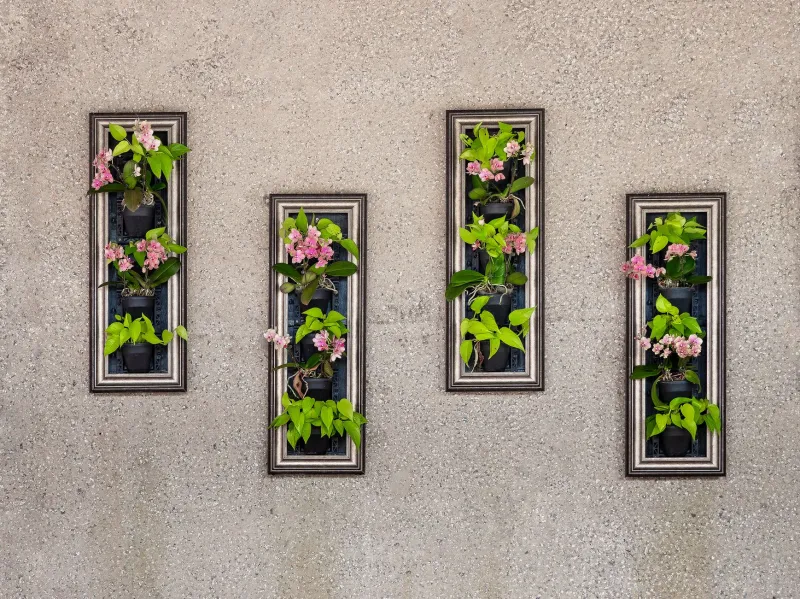
The most affordable entry point is a modular panel system — felt pockets or plastic grid cells you mount yourself and fill with plants. Here's a realistic itemized budget for a modest 4x6-foot wall:
- Panel system: $150–$350 depending on material and size
- Mounting hardware: $30–$60 (anchors, brackets, a level you actually trust)
- Plants: $150–$300. Pothos, philodendron, and ferns from local nurseries add up faster than you'd think
- Potting mix and amendments: $40–$75
- Drip irrigation kit (optional but smart): $50–$120
Total: roughly $400–$900. The catch? Your labor. Filling 24 pockets with healthy plants takes an afternoon, and hand-watering a wall is genuinely messy until you get the hang of it.
The Professional Install: $2,500 to $10,000+
Once you outsource, the price climbs for good reasons. A professionally designed and installed living wall in the Albany area typically runs $75–$175 per square foot, which means:
- Small statement wall (10–15 sq ft): $1,500–$3,000
- Focal-point wall (20–40 sq ft): $3,500–$7,000
- Full-scale installation (50+ sq ft): $7,500 and up
What are you paying for? Structural assessment (a saturated wall panel weighs a lot — your drywall needs to handle it), integrated irrigation, commercial-grade lighting if your wall doesn't get great natural light, and a plant palette chosen for your actual conditions rather than a Pinterest board.
The Hidden Costs Nobody Puts on the Quote
Here's where budgets go sideways. A living wall isn't a one-time purchase — it's a subscription with leaves.
- Water and electricity: An irrigation pump and supplemental grow lights add maybe $10–$30/month to your utility bills.
- Plant replacement: Even well-maintained walls lose 10–20% of their plants yearly. Budget $100–$400 annually for refreshes.
- Maintenance visits: If you hire out quarterly care, expect $150–$300 per visit.
- Repairs: Leaky drip lines, failed pumps, the occasional water stain on your baseboard. Keep a $200 annual cushion.
A realistic all-in annual cost for a mid-size installed wall: $400–$900 per year after the initial build.
Cost Per Year vs. Other Statement Decor
Now the fun math. Compare that $2,500–$7,000 install to other ways Albany homeowners make a design statement:
- A custom gallery wall with framed art: $1,500–$4,000, depreciates immediately, needs updating as tastes change
- A statement light fixture: $800–$3,000, gorgeous but doesn't move the needle on air quality or buyer appeal
- Designer wallpaper: $1,000–$2,500 installed, and you'll pay again to remove it
Spread a $4,000 living wall over ten years and you're paying about $400 annually — comparable to the wallpaper, but it appreciates in a way decor can't: it grows, literally, and staged greenery consistently photographs well in listings, which matters if selling is even a distant thought.
When It's Worth It — and When It Isn't
Worth it: You own your home, you have a wall with decent light (or budget for grow lights), you're staying put five-plus years, and you genuinely like plants. A living wall in an entryway, above a sofa, or on a covered patio delivers daily payoff that compounds.
Not worth it: You're renting, you travel for weeks at a time, your chosen wall faces north with zero light and no outlet nearby, or you kill pothos. In those cases, a large preserved moss panel ($300–$800, zero maintenance) gives you 80% of the visual impact with none of the commitment.
The worst outcome isn't an ugly wall — it's a dead one you feel guilty about for two years. Budget honestly, start smaller than your inspiration photos, and expand once you've proven to yourself you'll keep it alive. Your future self, and your walls, will thank you.