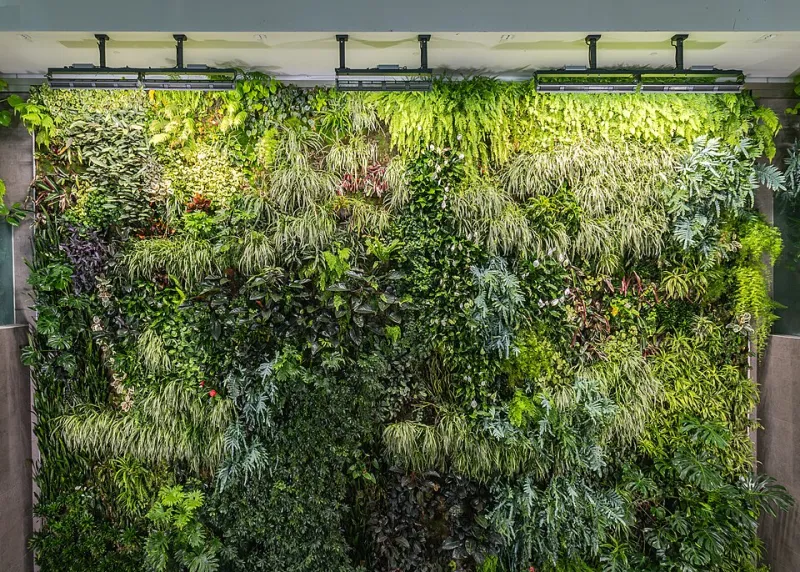
We Tore Out a Living Wall and Planted Dinner Instead: One Albany Kitchen's Edible Experiment
When the Delmar family (yes, that Delmar — they live right off Delaware Avenue) asked us to convert their living room living wall into something edible, our first reaction was polite hesitation. Living walls are designed to look good. Herb walls are designed to get eaten. Those are two very different briefs.
But they were curious, and honestly, so were we. So we ripped out the pothos and the philodendron, patched the pockets, and replanted the whole 8-foot wall with basil, mint, thyme, oregano, and a couple of trailing nasturtiums. Here's how six months of growing dinner into the wall actually went.
Month One: The Honeymoon Phase
The first few weeks were everything the family hoped for. Snip basil for pasta, grab mint for tea, pinch thyme for the roast chicken. The wife told us she was cooking more at home simply because the ingredients were right there — no sad plastic clamshell of herbs from the Hannaford produce section, no letting cilantro rot in the crisper drawer.
The grocery math was real, too. Fresh herbs are one of the biggest rip-offs in the store: $3 to $4 for a handful that goes slimy in four days. This family was going through about $25 a month in fresh herbs before the switch. The wall cost roughly $600 to retrofit — new grow lighting, replanting, adjusted irrigation — so the payback window, on herbs alone, was around two years. Not life-changing, but not nothing. The real value, they said, was the cooking upgrade.
The Wear-and-Tear Problem Nobody Warns You About
Here's where the edible wall stops being a design feature and starts being a working farm. Every time you harvest, you leave a gap. And unlike a pothos, which fills in like it's trying to take over the house, basil gets sulky and leggy when you cut it hard.
By month three, the wall had bald patches that no interior designer would call intentional. Mint, on the other hand, was staging a hostile takeover of its neighbors — we eventually gave it its own isolated pocket, which is what you should always do anyway. Lesson logged.
The fix was rotational planting: keeping a few nursery pots of bushy herbs on standby and swapping them into the wall as the harvested ones recover. If you're the kind of person who wants your wall to look magazine-ready 365 days a year, an herb wall will test you.
Which Herbs Actually Tolerate Wall Life
Not all herbs are built for vertical growing, especially in an Albany winter when daylight is scarce and the furnace is running. Here's what earned its spot:
- Mint — nearly unkillable, thrives with consistent wall-irrigation moisture, but quarantine it.
- Thyme and oregano — compact, Mediterranean, forgiving if you forget them for a week. The wall's MVPs.
- Trailing rosemary — slow but charming, and the trailing habit actually flatters a vertical layout.
- Basil — the diva. Needs serious supplemental light from October through March and hates cold drafts near the kitchen door.
We'd skip cilantro and dill entirely — both bolt fast indoors and leave you with a scraggly skeleton of a plant.
The Maintenance Trade-Off
A decorative foliage wall asks for a monthly once-over. The herb wall asked for weekly harvesting, monthly feeding, and constant vigilance on the watering schedule — herbs are far less tolerant of soggy pockets than tropicals. The family also learned that harvesting is the maintenance; regular trimming keeps the wall bushy and productive at the same time.
Would We Recommend It?
With caveats. If your living wall's job is to be beautiful, keep the foliage. But if you've got a sunny kitchen wall, a grow light budget, and a genuine love of cooking, an edible wall delivers something a fern never will: dinner. The Delmars kept the wall, bald spots and all. Their words: "It's less of a design statement now and more of a pantry. We're fine with that."
So were we.