Empty Rooms, Full Walls: Inside the Staging Trick That's Selling Albany Homes Faster
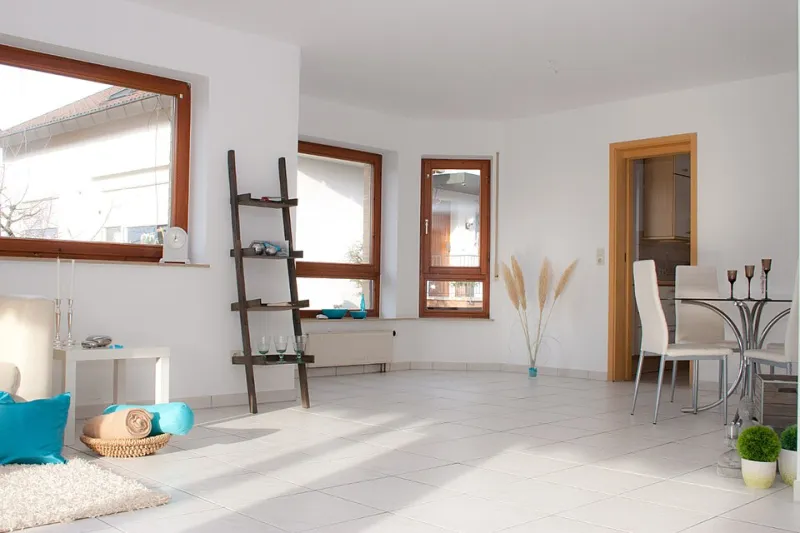
Photo: Die Home Stagerin Senta Hoffmann - http://www.die-home-stagerin.de, CC BY-SA 3.0, via Wikimedia Commons
There's a moment every home stager in Albany knows by heart. The listing photos are done, the furniture rental truck has pulled away, and the house — a perfectly nice three-bedroom in, say, Delaware Commons or a condo near Washington Park — still feels like nobody has ever lived there. Or ever will.
That's the problem stagers get paid to solve, and lately, more and more of them are solving it with a wall of living plants.
"Ten years ago, I'd throw a ficus in the corner and call it a day," says one Albany-based stager who asked us to keep her client list vague — competitive market and all that. "Now the greenery is the design. It's the first thing I plan, not the last."
Why Buyers Can't Resist a Room That Breathes
The psychology here isn't complicated, even if the installations are. Empty rooms read as cold — hard corners, bare drywall, echoes. A vertical garden softens all of it at once. It breaks up sightlines, absorbs sound, and gives buyers' eyes a place to rest.
But there's a subtler thing happening, too. Stagers talk about "projected life" — the sense that a home is already being lived in well. A trailing pothos spilling down a mounted panel says someone waters things here. Someone stays. That's a hard feeling to fake with a vase of grocery-store tulips.
And the data backs it up, at least anecdotally. Stagers we spoke with report that staged units with a green feature wall are moving noticeably faster than comparable listings without one — and in a few cases, appraisers and agents have credited the presentation for offers that came in above ask. One Pine Hills flip that sat for six weeks got multiple offers within ten days of a restage that included a floor-to-ceiling fern and philodendron installation in the living room.
The Pairings That Move Capital Region Listings
Not every plant earns its spot on a sales-wall. Stagers in Albany have gotten picky, and for good reason — a browning wall during a Saturday showing is worse than no wall at all.
The workhorses, according to the pros:
- Pothos and philodendron for low-light interiors and forgiving maintenance during a long listing period
- Ferns — especially Boston and rabbit's foot — for bathrooms and mudrooms where humidity is already on your side
- Snake plants for entryways, because they shrug off drafts and dark corners near front doors
- A single statement monstera centered in a panel, because buyers photograph it and the photos end up on Instagram, which is free marketing
The through-line is resilience. A staged home might sit through a January open house season in Albany, and nobody's hiring a plant sitter for a listing.
Before and After: What the Numbers Say
We asked around about cost versus return, and the math is more approachable than most sellers expect. A rental-panel living wall for staging — the temporary, no-drill kind — typically runs a few hundred to around a thousand dollars installed, depending on size. Permanent modular systems for a feature wall can run two to five times that.
Compare that to the staging budget overall — furniture rental, artwork, lighting, which can easily total several thousand dollars a month — and the green wall starts to look like the cheapest emotional leverage in the room. One stager put it plainly: "It's the one line item buyers mention at the closing table. Nobody remembers the throw pillows."
A Word of Caution From the People Who Do This for a Living
Every stager we talked to had a horror story. Walls installed without checking irrigation. Ferns that turned to straw by the second showing. A seller who insisted on a sun-loving wall in a north-facing living room off New Scotland Avenue and paid for it in replacement costs.
The lesson they all emphasized: match the plants to the light you actually have, not the light you wish you had. If the room doesn't cooperate, the pros pivot — grow lights disguised as picture lighting, or low-light species that keep the look without the drama.
The Takeaway for Albany Sellers
If you're prepping a home for the market this year, you don't need to build a jungle. But one well-placed vertical garden — in the living room, the entryway, or that awkward wall everyone stares at — can do more for a first impression than a fresh coat of paint.
Buyers decide how a home feels within seconds of walking in. Increasingly, the stagers of the Capital Region are making sure that feeling is green.