Stop Buying Plants for Your Walls and Start Buying for Your Windows
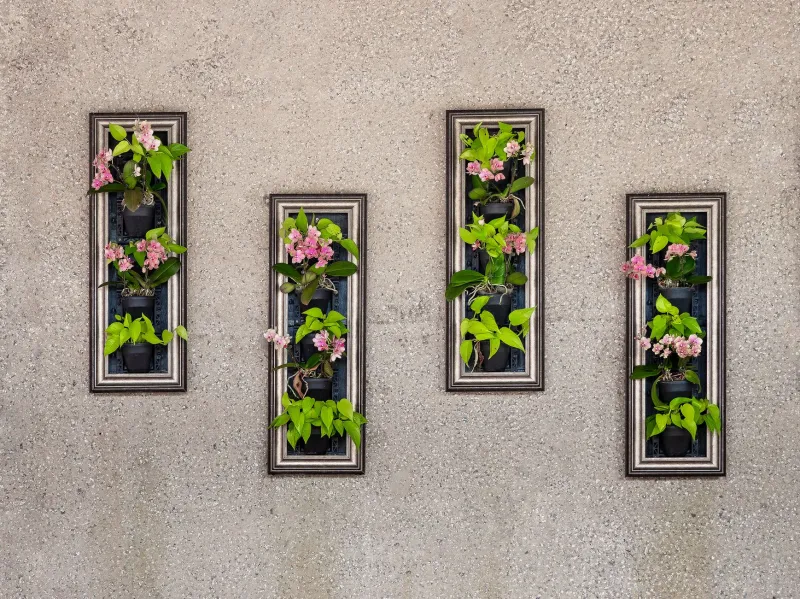
Let's be blunt: the majority of living wall failures we see around Albany aren't caused by bad plants, bad soil, or bad luck. They're caused by someone choosing a wall of ferns for a dim hallway because it looked dreamy on Pinterest.
Light is the whole game. Everything else — watering, fertilizer, humidity — is secondary. And in Albany specifically, where we're working with short, gray winter days and sun angles that drop dramatically after October, matching your plant palette to your actual light isn't a suggestion. It's the difference between a wall that thrives and a wall that becomes a compost project by February.
The Five-Minute Light Audit
Before you spend a dollar, walk through your home with your phone and do this:
Morning (9–10 AM): Stand where the wall will go. Is direct sun hitting that spot? Is it bright but indirect? Or are you flipping on a lamp?
Noon (12–1 PM): Same spot, same question. Midday light through a south-facing window is the strongest light you'll get indoors here.
Afternoon (3–4 PM): Check again. West-facing rooms peak now, and that light can be intense and warm.
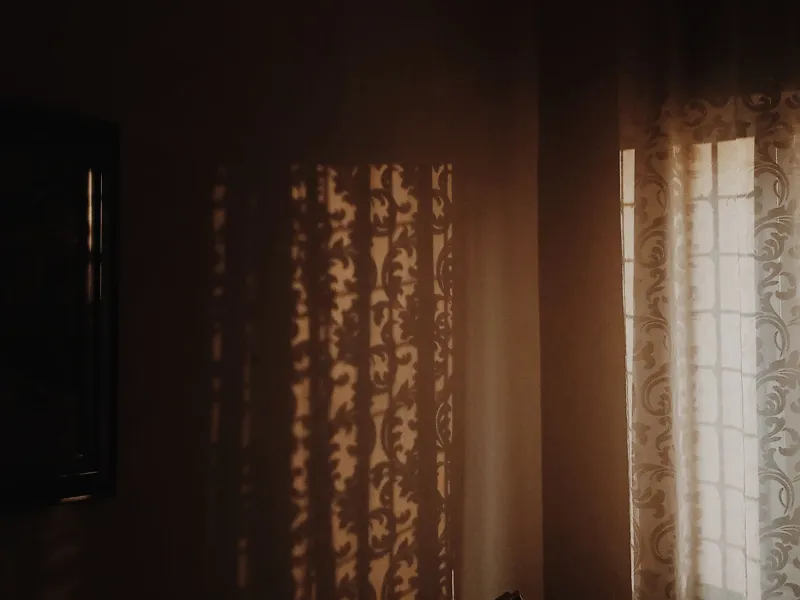
Evening: If you need artificial light to read in that spot at 6 PM in June, imagine it at 4:30 PM in December. That's your real baseline.
Snap a photo at each check. Four photos, five minutes, and you now know more about your space than most first-time plant buyers ever learn.
Decoding What Your Windows Actually Give You
Here's the quick translation, adjusted for our latitude:
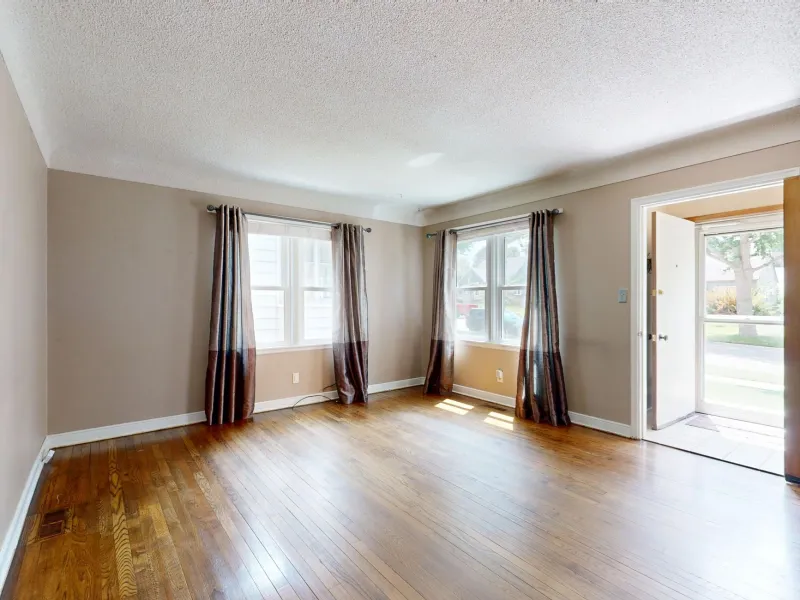
- South-facing windows: The gold standard in Albany. Brightest, longest exposure, especially valuable in winter. Direct sun for several hours a day.
- West-facing: Strong afternoon sun. Great for sun-lovers, but watch for heat buildup in summer.
- East-facing: Gentle morning light. Bright indirect for most of the day. Underrated and very usable.
- North-facing: The challenge. Low, diffuse light year-round, and nearly nothing in winter. This is faux-plant and low-light-species territory.
- Interior walls, hallways, bathrooms without windows: Effectively zero natural light. Full stop.
Why Albany Winters Change Everything
Here's the part national plant blogs never mention: a light audit done in July lies to you. On the summer solstice we get over 15 hours of daylight. By late December? Under nine, and a lot of it is cloud cover off the Hudson Valley.
That lush pothos wall that cruised through summer can stall hard in January. Two adjustments fix this: first, always size your plant choice for the winter light level, not the summer one. Second, if your wall sits more than a few feet from a window, plan on a supplemental grow light from November through March. A slim LED bar clipped above the wall is invisible in the design and completely transforms outcomes.
The Decision Chart: Match Your Wall to Your Palette
Bright south or west window wall: Succulents and sun-lovers — but note that most classic living wall species won't love scorching glass-magnified sun. Think string of pearls, burro's tail, or a mixed sun-tolerant panel.
Bright indirect (east-facing, or a few feet back from south light): This is the sweet spot. Pothos, philodendron, peperomia, bird's nest fern, and most tropical foliage walls live their best life here.
Low light (north-facing, deep room): Trim your ambitions. Snake plants (sansevieria), ZZ plants, and cast iron plants survive here. Pothos will limp along. Or go preserved moss and quality faux — nobody will know, and nothing will die.
No natural light at all: Live plants are off the table unless you commit to full-spectrum grow lights running 10–12 hours a day. Otherwise, preserved moss panels are genuinely beautiful and require nothing.
Design for the Light You Have, Not the Light You Want
There's a staging angle here too. A thriving green wall sells a room; a browning one quietly screams "maintenance." If you're preparing an Albany home for the market in the darker months, a preserved moss or faux installation photographed beautifully will do more for your listing than a half-dead fern wall ever could.
Run the audit. Read your windows honestly. Then pick plants that match. Your Pinterest board will forgive you — your wall won't.