The Five-Star Foliage Economy: How Albany's Airbnb Hosts Turned Green Walls Into Bookings
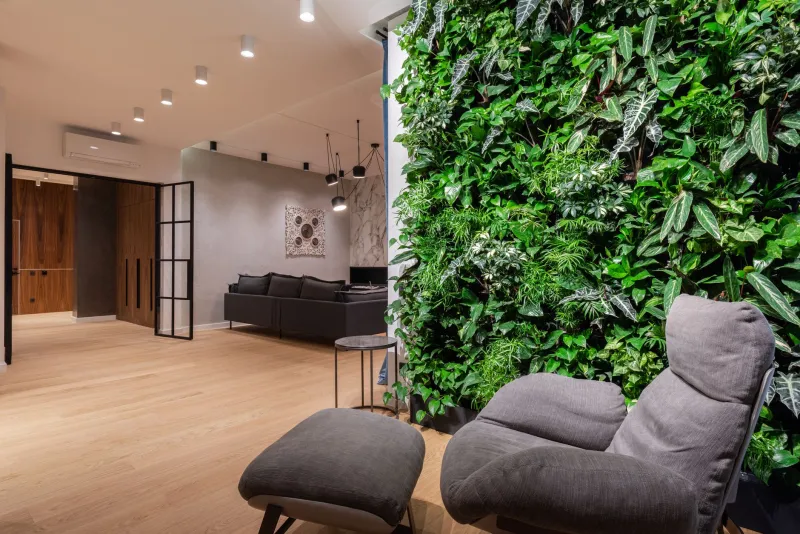
Scroll through Albany's top-rated short-term rentals and you'll notice something: the ones with the glowing reviews and the fully booked calendars tend to have a lot of green in their photos. Not a sad pothos on the fridge. We're talking full living walls — floor-to-ceiling plant installations that turn a rental photo into a scroll-stopper.
It's not a coincidence. It's strategy.
The Listing Photo Is the First Impression
Ask any STR host what actually drives bookings and they'll tell you: the thumbnail photo. Guests swipe through dozens of listings in minutes, and a plain white wall blends into the noise. A living wall doesn't.
"I added a moss-and-pothos wall to my loft near the Corning Preserve, and my booking rate jumped within two months," one Albany host told us. "Guests literally mention it in reviews. I've had people book because of the photo, then show up and take pictures with the wall."
That's the multiplier effect: the wall photographs beautifully, which drives bookings, which generates guest photos, which circulate on Instagram and function as free marketing. No ad spend required.
What the Numbers Look Like
Property managers we spoke with describe a fairly consistent pattern:
- Higher perceived value. A rental with a statement green wall reads as "designed," not "furnished," which justifies a higher nightly rate — often 10 to 20 percent more than comparable units.
- Better reviews. Guests reward spaces that feel unique. "The plant wall was amazing" shows up in five-star reviews again and again.
- Longer dwell in listings. On booking platforms, striking photos keep potential guests on your page longer, which platforms reward.
Compare that to the cost of the installation — often less than a mid-range sofa — and the math gets compelling fast.
The Plants That Survive Between Turnovers
Here's the practical concern every host raises: nobody's watering a wall daily when there's a checkout at 11 and a check-in at 3. The answer is a palette built for neglect.
The workhorses of Albany rental walls are pothos, philodendron, snake plants, and preserved moss accents — all forgiving, all attractive, all tolerant of the irregular care that comes with guest turnover. Hosts with irrigation-equipped panels can expand into ferns and trailing vines, but the core advice is the same: choose plants that shrug off a missed watering.
Smart hosts also plan for winter. Albany's heating season dries indoor air hard, which is why our month-by-month winter care guide exists — and why rental hosts lean even harder into low-humidity-tolerant species than residential clients do.
Which Installations Photograph Best
Not every wall earns its keep on camera. The installations that consistently perform in listing photos share a few traits:
- Behind the hero shot. The wall should appear in the photo every guest sees first — usually the living room or the bed wall.
- Opposite or adjacent to windows. Natural light makes foliage pop and keeps the plants alive. Win-win.
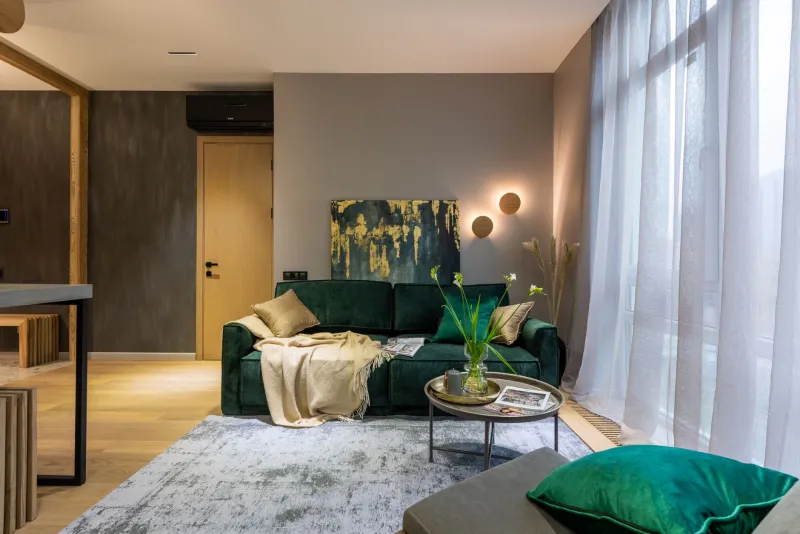
- Contrast with the wall color. A green wall against warm white or soft charcoal reads far better than against beige-on-beige.
- Warm lighting at night. A lit green wall in an evening photo extends your listing's appeal beyond daytime shots.
The Takeaway for Capital Region Hosts
Albany's short-term rental market is competitive, and guests have endless options. The hosts winning right now aren't necessarily the ones with the biggest square footage — they're the ones giving people something to remember and something to photograph.
A living wall does both. It's staging that never comes down, a review generator that never sleeps, and frankly, one of the more enjoyable ways to spend a renovation budget. If you're hosting in Albany and your listing photos are still beige walls and staged fruit bowls, it might be time to go green.